
Favorite Residential Framing Products For Durable And Reliable Structures
Choose from popular framing solutions that combine strength, affordability, and ease of installation for your home projects.
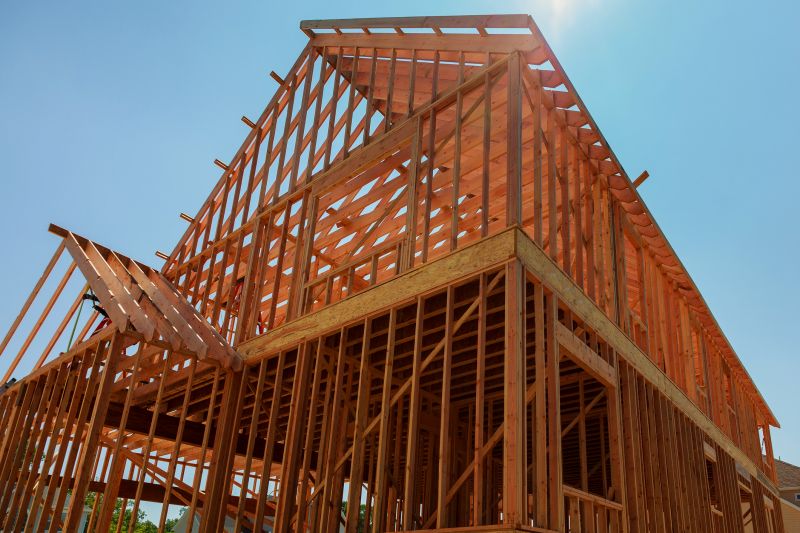 Residential framing products serve as the foundational elements in constructing and renovating homes, providing structural support and shaping the overall integrity of a building. These products include a wide array of materials and tools designed to ensure stability, durability, and precision in framing projects. From basic wall framing components to specialized connectors and reinforcement materials, there is a comprehensive selection to meet various construction needs. Understanding the different types of framing products can help homeowners and contractors select the appropriate solutions for their projects, whether they are building new structures or performing upgrades.
Top Overall Option
Multi-Purpose Framing System
A versatile framing system designed to accommodate various construction needs, offering durability, ease of installation, and compatibility with multiple materials. Its adaptable components make it suitable for walls, ceilings, and structural reinforcements, providing a reliable foundation for residential projects.
Types of Products For Residential Framings
Lumber and Dimensional Wood
Traditional framing materials used for walls, floors, and roof structures, valued for their availability and ease of use.
Metal Studs and Tracks
Lightweight yet strong alternatives to wood, often used in interior walls and partitions for enhanced stability.
Engineered Wood Products
Manufactured wood components like laminated veneer lumber and I-joists that offer consistent dimensions and strength.
Framing Connectors and Brackets
Metal fasteners designed to join framing members securely, ensuring structural integrity at joints and intersections.
Nail Plates and Hangers
Used to reinforce connections, especially in load-bearing applications or where additional support is needed.
Sheathing and Paneling
Materials like plywood, OSB, or fiberboard that provide surface stability and support for wall coverings.
Insulation Supports
Products that hold insulation in place within framing cavities, improving energy efficiency.
Post Bases and Footings
Structural supports that transfer loads from framing to the foundation, essential for stability.
Corner Braces and Gussets
Reinforcement hardware used to strengthen corners and load-bearing joints in framing structures.
Plywood and OSB Sheets
Engineered wood panels used for sheathing, flooring, and roof decking in residential framing.
Fasteners and Nails
A variety of nails, screws, and staples designed for framing applications, ensuring secure connections.
Structural Adhesives
Specialized glues used to bond framing components, providing additional strength and stability.
Pre-fabricated Wall Panels
Ready-made panels that streamline wall construction, reducing on-site labor and time.
Reinforcement Mesh and Straps
Materials used to reinforce large or load-bearing framing sections for added durability.
Popular Choices
Widely used for framing walls and floors, offering versatility and familiarity in residential projects.
Increasingly popular for interior walls due to their lightweight nature and consistent quality.
Commonly chosen for floor and roof framing, providing strength with reduced material use.
Preferred for wall and roof sheathing, valued for their structural properties and ease of installation.
Popular tools that facilitate quick and secure fastening of framing components.
Frequently used for reinforcing corners and joints in load-bearing structures.
Commonly selected for supporting load-bearing posts and ensuring stability on foundations.
Often used to bond framing members for additional support and stability.
Increasingly popular for quick assembly and consistent quality in residential framing.
Trending for their role in improving energy efficiency within framed cavities.
Chosen for securing structural elements that require high load capacity.
Used in load-bearing applications to enhance strength and stability.
The selection process involves considering factors such as material strength, compatibility with existing structures, ease of installation, and long-term performance. Commonly used framing materials include lumber, metal studs, and engineered wood products, each offering distinct advantages depending on the application. Additionally, accessories like fasteners, brackets, and connectors are essential for ensuring secure joints and proper alignment. Properly chosen framing products contribute to the safety, stability, and longevity of residential buildings.
Safety standards and building codes also influence the choice of framing materials and components. Ensuring that products meet local regulations and industry standards is critical for compliance and safety. Moreover, innovations in framing technology, such as pre-fabricated panels and modular systems, are increasingly popular for reducing construction time and improving accuracy. Whether undertaking a new construction or a renovation, selecting the right framing products is a key step in achieving a structurally sound and durable home.
Overall, the variety of products available for residential framing allows for tailored solutions suited to different architectural styles, budgets, and project scopes. By focusing on quality and compatibility, homeowners and builders can create resilient and well-constructed living spaces that stand the test of time.
Key Buying Considerations
- Material compatibility with existing structures and other framing components.
- Load-bearing requirements and structural safety standards.
- Ease of installation and availability of tools required for assembly.
- Durability and resistance to environmental factors such as moisture or pests.
- Compliance with local building codes and industry standards.
- Weight and handling characteristics, especially for large panels or heavy materials.
- Cost-effectiveness relative to project scope and budget constraints.
- Compatibility with insulation, sheathing, and finishing materials.
- Availability of accessories like fasteners, connectors, and reinforcement hardware.
- Environmental conditions of the installation site, such as exposure to moisture or temperature fluctuations.
- Long-term performance and maintenance needs of the framing products.
- Versatility for different framing applications within the project.
- Supplier reputation and product reviews for quality assurance.
- Options for pre-fabrication or modular components to reduce construction time.
- Potential for future modifications or expansions in the framing design.
This page contains affiliate links. We may earn a commission if you make a purchase through these links at no additional cost to you.